

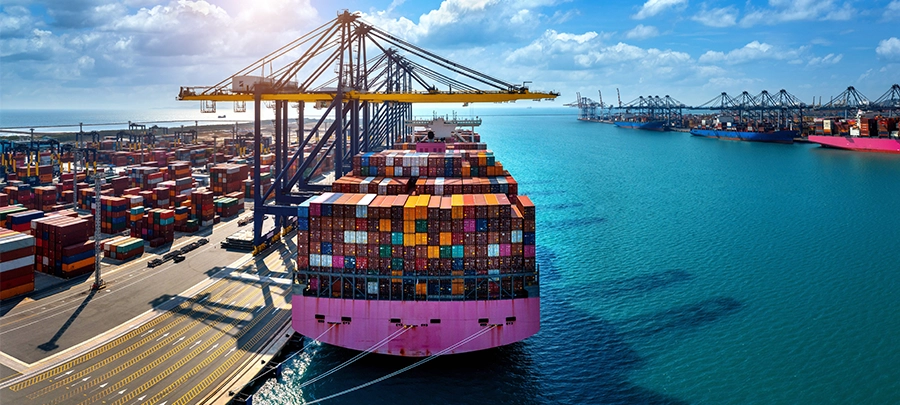
The global food trade industry has spent the last several years adapting to constant disruption. From freight volatility and inflation to supply chain delays and changing consumer demand, importers have had to become far more flexible than they were a decade ago.
In 2026, tariffs are once again becoming one of the major factors shaping international food trade.
For food importers, distributors, wholesalers, and retailers, changes in trade policy are influencing sourcing decisions, landed costs, supplier relationships, and pricing strategies across multiple food categories.
While the full long-term impact is still developing, many companies are already reassessing how and where they source products internationally.
Food Import Costs Continue to Rise
Even modest tariff increases can have a noticeable impact on overall import costs once freight, customs fees, storage, insurance, and currency fluctuations are added into the equation.
This is particularly important in food importing, where margins are often already tight and pricing pressure remains high across retail and distribution channels.
Several sectors have been especially sensitive to pricing changes in recent months, including:
- meat and beef products
- seafood
- dairy
- confectionery
- coffee and cocoa
- processed foods
At the same time, global buyers continue to face uncertainty around future trade policy adjustments, making long-term planning more difficult than usual.
For many importers, maintaining supply chain flexibility has become just as important as negotiating competitive pricing.
Supplier Diversification Is Becoming More Important
One trend that continues to grow across the industry is supplier diversification.
Rather than relying too heavily on one sourcing region, many importers are expanding supplier networks and exploring additional markets to reduce exposure to future disruptions, regulatory changes, or pricing instability.
In practice, this often means buyers are evaluating suppliers based not only on price, but also on:
- reliability
- production capacity
- logistics stability
- documentation quality
- export experience
- food safety compliance
The ability to maintain consistent supply is becoming a major competitive advantage for both suppliers and importers.
Compliance and Documentation Matter More Than Ever
As trade regulations evolve, customs compliance is becoming increasingly important throughout the importing process.
Importers are paying closer attention to:
- country-of-origin documentation
- customs classifications
- ingredient traceability
- labeling requirements
- certifications
- food safety records
Incorrect documentation or classification issues can create delays, unexpected costs, or additional customs scrutiny — particularly for perishable products.
As a result, suppliers that can provide organized and transparent export documentation are often viewed as more reliable long-term partners.
Private Label and Value-Added Products Continue to Grow
Another noticeable shift across the food industry is the continued growth of private-label and value-added imported products.
Retailers and distributors facing margin pressure are looking for ways to remain competitive while still offering differentiated products to consumers.
In many categories, buyers are increasingly interested in products that offer:
- specialty positioning
- premium packaging
- certifications
- convenience
- strong branding
- unique origin stories
For exporters and manufacturers, this means product presentation and positioning are becoming just as important as pricing.
Technology Is Playing a Larger Role in Food Sourcing
Traditional sourcing methods are also evolving.
Trade shows and long-standing supplier relationships remain important, but more companies are using digital platforms to identify suppliers, compare products, and explore new international markets more efficiently.
Importers increasingly want:
- faster supplier discovery
- centralized sourcing information
- easier communication
- verified business visibility
- access to international buyers and suppliers
As global trade becomes more competitive, technology is helping companies reduce the time and complexity involved in international sourcing.
The Food Import Industry Continues to Adapt
Global food trade has always been dynamic, and 2026 is proving to be no exception.
While tariffs and regulatory changes are creating additional pressure in some areas of the market, they are also encouraging companies to become more flexible, more diversified, and more efficient in how they approach sourcing and international trade.
The businesses best positioned for long-term success will likely be the ones that:
- stay adaptable
- diversify sourcing strategies
- monitor market developments closely
- maintain strong supplier relationships
- invest in efficient sourcing infrastructure
Discover New Food Import Opportunities with BFI
As international sourcing becomes more competitive, having access to the right business network matters more than ever.
The BestFoodImporters Platform helps importers, distributors, wholesalers, exporters, and food manufacturers connect with companies across global food markets.
Whether you are looking to expand into new regions, promote your products internationally or build new distribution partnerships, BFI provides a platform designed specifically for the international food trade industry.
