

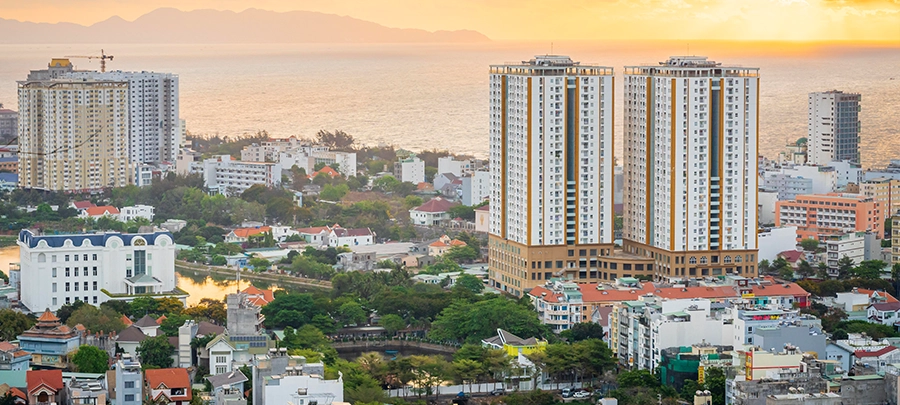
Many food producers are looking at alternative markets considering the situation in the Gulf area, where demand is growing, infrastructure is improving, and geopolitical risk is lower. One region that stands out in 2026 is Southeast Asia.
Why Southeast Asia Is Gaining Attention
Southeast Asia offers many of the advantages food exporters are looking for at the moment. The region has large and growing populations, rising middle-class consumption, expanding modern retail, and increasing demand for international food products.
Countries such as Vietnam, the Philippines, Indonesia, Thailand, and Malaysia continue to import significant volumes of food across many categories. These are not only staple products, but also packaged foods, dairy, frozen products, confectionery, snacks, beverages, foodservice ingredients, and premium products.
Another important advantage is that Southeast Asia is served by more diversified trade routes than the Gulf. While no market is completely protected from global disruption, exporters targeting Southeast Asia are generally less exposed to the specific shipping risks currently affecting the Gulf and the Strait of Hormuz.
For suppliers trying to reduce uncertainty in 2026, this makes the region especially interesting.
The Philippines Is Becoming a Particularly Attractive Market
Among Southeast Asian countries, the Philippines is one of the most interesting markets for food exporters.
The country has a young and growing consumer base, strong demand for imported food products, and a retail sector that continues to modernize. It also remains dependent on imports for several important categories, including dairy, meat, wheat, processed foods, snack products, and ingredients used by local food manufacturers.
For many exporters, the Philippines is also relatively accessible from a business communication point of view. English is widely used in commercial communication, which can make the first stages of market entry easier compared to some other markets in the region.
Food importers and distributors in the Philippines are often interested in suppliers that can offer competitive pricing, stable supply, modern packaging, and export-ready documentation. Products that fit the needs of supermarkets, convenience stores, foodservice operators, and local manufacturers can find real opportunities in this market.
Vietnam Continues to Grow as a Food Import Market
Vietnam is another market that deserves attention in 2026.
The country’s rapid urban development, rising incomes, expanding tourism sector, and growing modern retail network are creating more space for imported food products. Demand is especially visible in areas such as dairy, frozen foods, confectionery, beverages, health-oriented products, and foodservice ingredients.
Vietnam is also becoming more important as a regional manufacturing and logistics hub. This creates opportunities not only for finished food products, but also for ingredients used by processors, bakeries, beverage producers, and foodservice suppliers.
For exporters, Vietnam can be attractive because the market is still developing quickly. Buyers are actively looking for new products, but they also expect reliability, consistency, and a clear understanding of import requirements.
What Food Importers in Southeast Asia Are Looking For
Price remains important across Southeast Asia, but it is not the only factor that matters.
Many importers are becoming more selective when choosing new suppliers. They want consistent quality, reliable shipping, clear documentation, flexible production, and suppliers that understand the realities of exporting to the region.
There is also growing interest in products that match changing consumer preferences. Healthier snacks, convenient meal solutions, premium imported products, halal-certified foods, and products with attractive packaging are all gaining more attention in different Southeast Asian markets.
For food producers, adapting to the local market can make a major difference. This may mean adjusting packaging sizes, preparing proper labeling, offering halal certification where relevant, or presenting products in a way that fits local retail and foodservice channels.
How Food Producers Can Enter the Market
Entering Southeast Asia usually requires patience and preparation. The region offers strong potential, but each country has its own import rules, consumer preferences, distribution structure, and pricing expectations.
The first step is usually to identify the right type of importer. Some distributors specialize in retail chains, while others focus on hotels, restaurants, foodservice, manufacturing ingredients, or wholesale channels. Choosing the wrong partner can slow market entry, even if the product itself is strong.
Food producers should also prepare complete product information before contacting buyers. Importers will usually want details about ingredients, shelf life, certifications, packaging, production capacity, pricing, and export experience. Having this information ready makes the company appear more professional and reduces delays in the first conversations.
Another important step is to understand whether the product needs adaptation for the market. In some cases, packaging, labeling, certifications, or even product sizes may need to be adjusted before the product is ready for local buyers.
Trade events remain useful, but digital sourcing is becoming increasingly important. Many exporters now use online B2B platforms to identify importers, build visibility, and start conversations before investing in a physical market visit.
Why 2026 Could Be the Right Time to Focus on Southeast Asia
Global food trade remains volatile, and exporters are becoming more careful about where they invest time and resources.
The uncertainty around the Gulf region does not remove the long-term importance of that market, but it does make diversification more important. Exporters that depend too heavily on one region may face higher risk when shipping routes, freight costs, or political conditions change suddenly.
Southeast Asia offers a different kind of opportunity. It combines long-term consumption growth with expanding retail channels, growing demand for imported products, and a large base of professional food importers and distributors.
For food exporters looking for new international opportunities in 2026, the region deserves serious attention.
Connect With Food Importers Through BFI
BestFoodImporters helps food exporters connect with importers, distributors, wholesalers, and retail buyers across international markets, including Southeast Asia.
Whether a company wants to find food importers in Vietnam, the Philippines, Malaysia, Thailand, or other markets, BFI provides access to a platform built specifically for the global food trade industry.
For exporters trying to identify new buyers, promote products internationally, or expand distribution in promising markets, BFI can make the process faster and more targeted.
Discover new food export opportunities and connect with international buyers through BestFoodImporters.com.
